
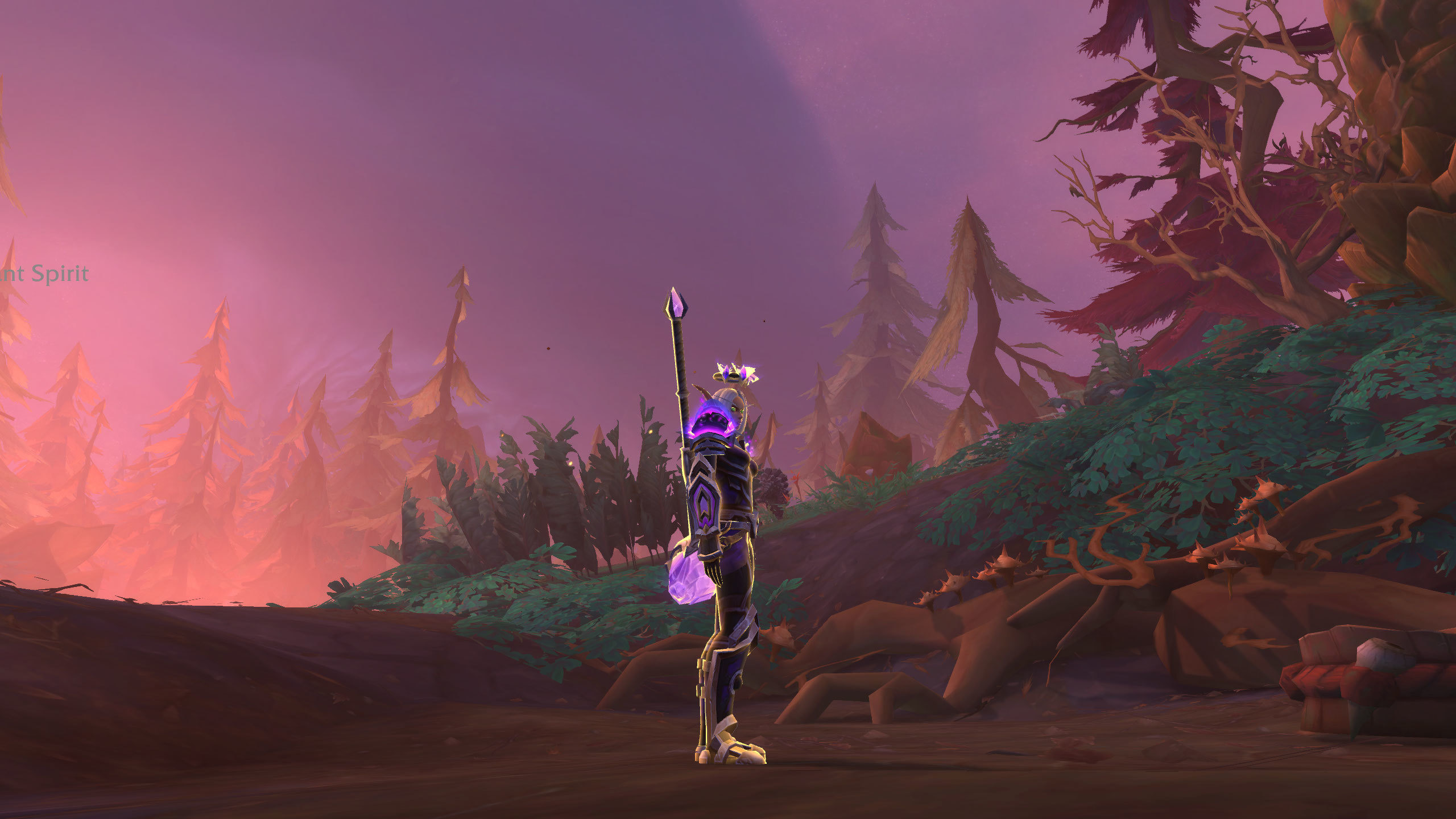
Azeroth feels like an endless world, yet it is comprised of a finite number of zones and loadable areas. The reason the game feels so massive is not due to pure square footage, but rather to the clever application of design principles that manipulate scale, travel time, and visual horizon. This guide examines the design tricks behind the sense of scale in World of Warcraft, breaking down how developers create the illusion of a boundless realm without relying solely on size.
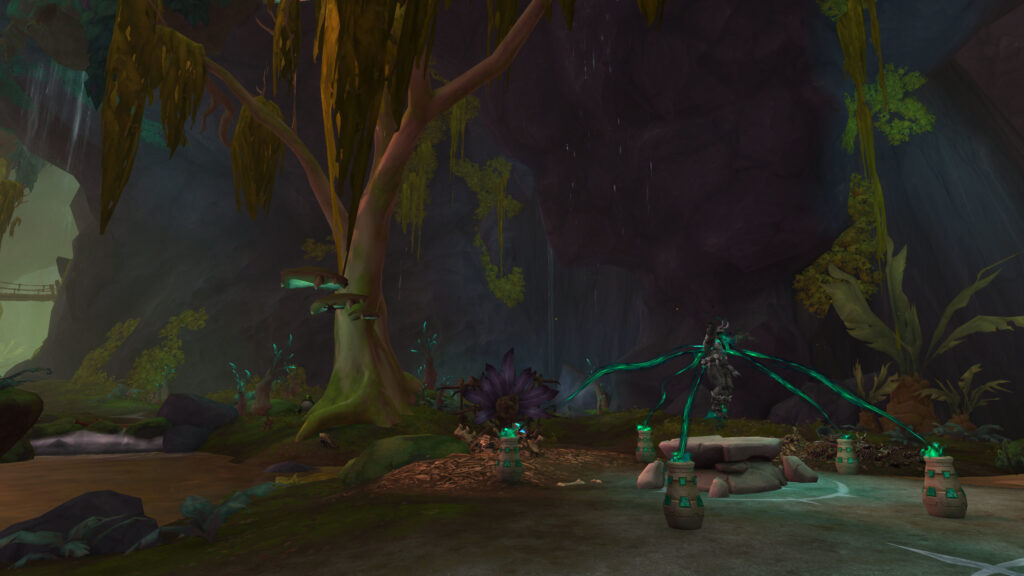
Manipulating the Player’s Perception
The primary trick for creating scale is the use of verticality. By placing mountains, plateaus, and massive towers in the distance, the game creates a landscape that feels deep and layered. When a player looks toward the horizon and sees a landmark they cannot immediately reach, it creates a sense of potential and mystery. This distance is a visual promise that there is more to see, which keeps the player motivated to travel further into the world.
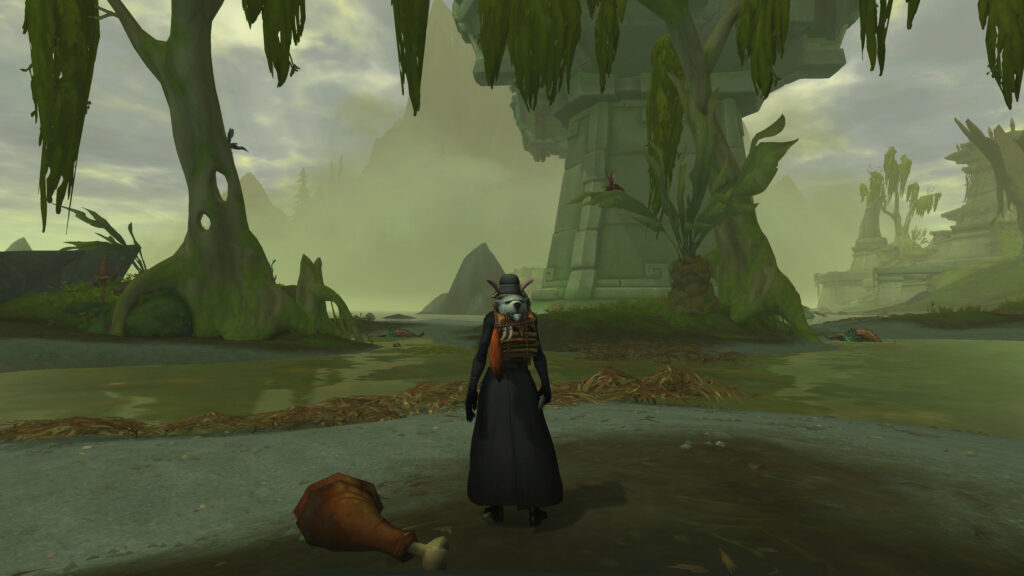
Travel time is another tool used to enforce scale. By limiting movement speed and designing winding paths, the world feels larger because it takes effort to move from point to point. This creates a psychological weight to travel. A journey across a continent feels like an expedition rather than a simple trip because the player has to physically pass through varied environments. This sense of distance ensures that each region feels like a distinct territory with its own challenges, rather than just another section of a map.
Design Principles of Scale
| Design Principle | Method | Effect on Scale |
|---|---|---|
| Verticality | Using spires and plateaus as distant anchors. | Adds layers of depth to the field of vision. |
| Pathing | Using winding roads and natural obstacles. | Increases the perceived distance between hubs. |
| Landmark Placement | Visual anchors visible from multiple zones. | Connects regions into a singular, large space. |
| Perspective Shift | Altering scale based on player movement. | Makes landmarks feel grand and overwhelming. |
The Visual Language of Vastness
Lighting and fog effects are used to hide the limits of the map, allowing distant mountains to fade into a hazy horizon. This makes the world feel like it continues indefinitely. By limiting visibility, the developers focus the player’s attention on the immediate environment while hinting at the massive scale of the regions beyond. This creates a subconscious understanding that the world is much bigger than what is currently visible on the screen.
A World Built on Illusion
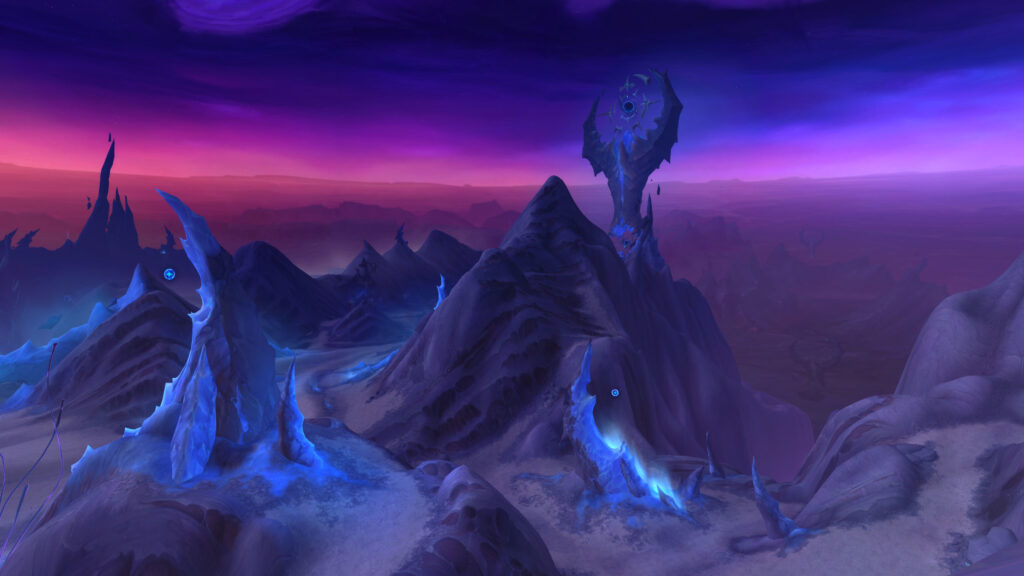
The success of the map design proves that scale is about how a world is perceived, not how it is measured. By using landmarks, travel paths, and visual layering, the team creates a coherent world that feels infinite. Players feel like they are inhabiting a real, functioning globe rather than a limited game map, ensuring that the spirit of adventure remains alive regardless of how many hours they have spent playing.
Leave a Reply